Overview
In Burundi, poverty, displacement, and crisis leave many families without safe shelter, sufficient food, or the basic household items needed to sustain daily life. Exposure to weather, insecurity, and health risks are daily realities for the most vulnerable. Yet vulnerability extends beyond material deprivation — it is also shaped by social exclusion, discrimination, neglect, and barriers to protection that prevent individuals from living with dignity and safety.
The Exodus Foundation works to strengthen social protection and humanitarian assistance for individuals and families facing acute vulnerability. Our interventions address urgent needs — shelter, food, essential household support, and protection — while actively promoting dignity, social inclusion, and long-term resilience. We also work to prevent and respond to Gender-Based Violence (GBV), recognizing it as one of the most pervasive human rights violations in fragile and humanitarian settings. Through community-based approaches and collaboration with local, national, and international partners, we address immediate risks while contributing to lasting reintegration and community cohesion.
What We Do
Emergency Shelter & Temporary Housing
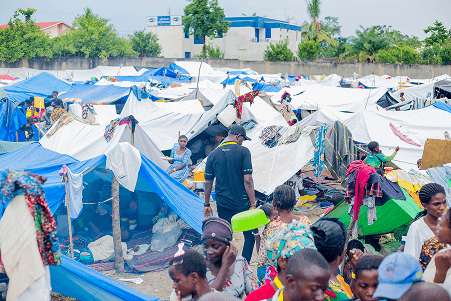
We provide immediate shelter solutions — temporary roofing, emergency tents, and basic construction materials — to families who have lost their homes or whose living conditions pose serious safety and health risks.
Housing Construction & Rehabilitation
Working alongside local communities, we support the construction and rehabilitation of simple, safe homes for homeless and extremely poor families. Projects prioritize locally available materials, community participation, and culturally appropriate, sustainable solutions.
Basic Needs & Household Support
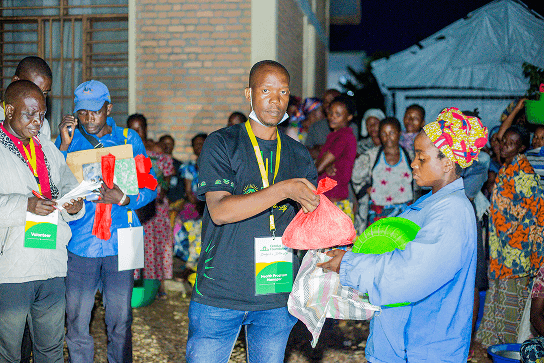
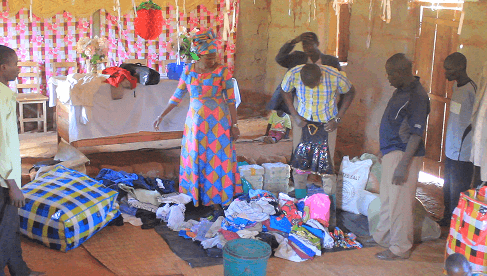
We distribute essential household items — including blankets, clothing, kitchen utensils, and hygiene supplies — to families in crisis, helping restore basic stability and daily functioning.
Food Assistance for Vulnerable Households
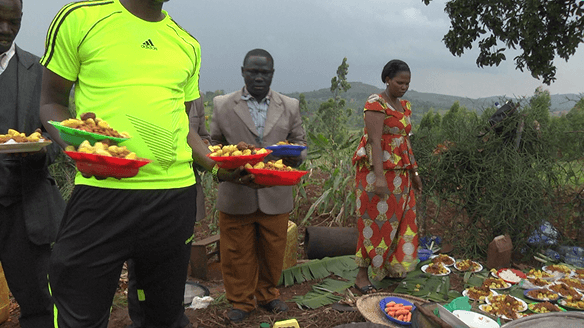
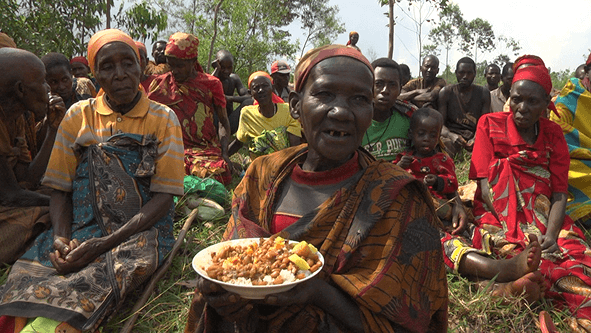
Targeted food assistance is provided to households experiencing acute food insecurity, hospital patients without family support, and families coping with sudden economic hardship or loss of income.
Support to Vulnerable Individuals
We provide tailored assistance to individuals facing protection risks, including those experiencing neglect, abandonment, or extreme social vulnerability. Support includes material assistance, accompaniment, and referrals to appropriate services.
Social Inclusion & Community Reintegration
Social exclusion deepens vulnerability. We support reintegration into family and community life, particularly for elderly individuals, formerly institutionalized persons, and others at risk of isolation and marginalization.
Support in Institutional Settings
Our teams regularly engage with people in institutional environments — including detention facilities and care centers — providing material support, social visits, and referrals aimed at improving living conditions and restoring dignity.
Protection Referrals & Case Support
When specialized protection, legal, or social services are required, we help individuals navigate systems that are often difficult to access through coordinated referrals to relevant institutions and trusted partners.
GBV Prevention & Response
We raise awareness about Gender-Based Violence at the community level, promote prevention, and advocate for stronger protection mechanisms for vulnerable populations. Our approach supports safe reporting, strengthens community-based protection systems, and centers the dignity and confidentiality of survivors. We collaborate with civil society organizations, national stakeholders, and international actors — including UN Women and UNFPA — to build safer, more inclusive communities.
Awareness & Dignity Promotion
Through community outreach and engagement, we promote respect, solidarity, and the protection of vulnerable individuals, helping reduce stigma and discrimination.
Who This Program Serves
Our social protection and humanitarian activities support:
- Homeless and extremely poor families lacking safe shelter
- Families whose homes were destroyed or damaged by disaster or crisis
- Refugees, returnees, internally displaced persons, and vulnerable host communities
- Households with young children, elderly members, or persons with disabilities living in unsafe conditions
- Hospital patients and families requiring temporary accommodation or support during recovery
- Households lacking essential household items and hygiene supplies
- Individuals experiencing neglect, abuse, or social exclusion
- Elderly people living alone or without family support
- People living in institutional settings, including prisons and care facilities
- Vulnerable individuals lacking access to protection services or social support networks
Support is delivered based on vulnerability assessments, community referrals, and coordination with local authorities and trusted partners.
Our Impact & Why It Matters
Social protection and humanitarian assistance generate meaningful, tangible change in people's lives:
- Families move from unsafe or unstable conditions into safer, weather-resistant homes
- Health and protection risks linked to exposure and extreme poverty are reduced
- Children are better able to attend school and adults can engage in livelihood activities
- Communities strengthen resilience through collective participation in housing and support initiatives
- Individuals regain dignity, safety, and a sense of belonging
- Social isolation is reduced through reconnection and community support
- Living conditions improve for people in institutional environments
- Survivors of GBV access appropriate services with dignity and confidentiality
- Communities become more inclusive and protective of their most vulnerable members
By addressing both immediate humanitarian needs and long-term social inclusion, our interventions help prevent temporary crises from becoming chronic vulnerability — and strengthen the bonds of community that make resilience possible.
Social Protection & Humanitarian Assistance in Action
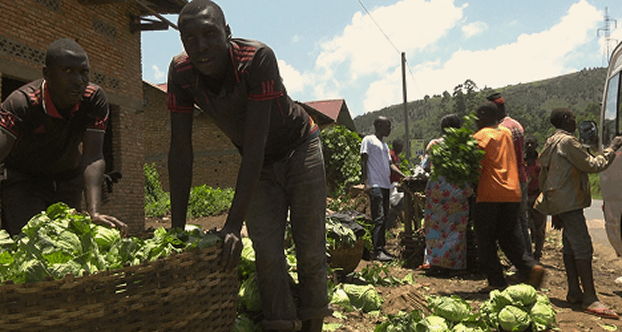
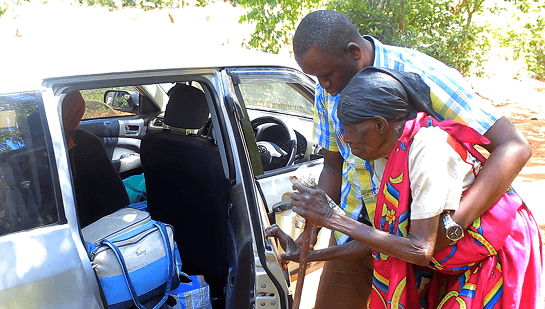
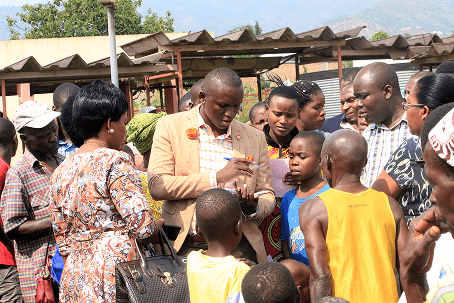
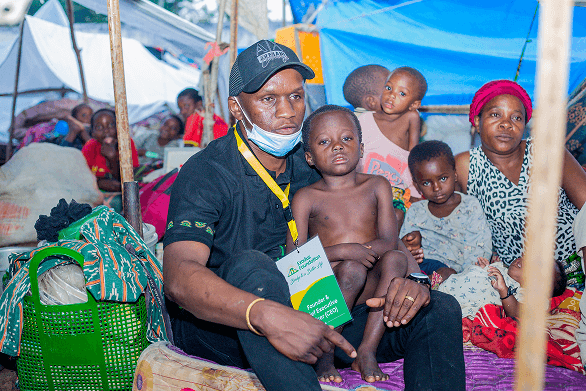
These images capture everyday moments where shelter, food, household support, protection, and inclusion restore safety and dignity — from temporary repairs to newly rebuilt homes, the distribution of essential items, community support visits, and social inclusion activities.