Community-Based Identification
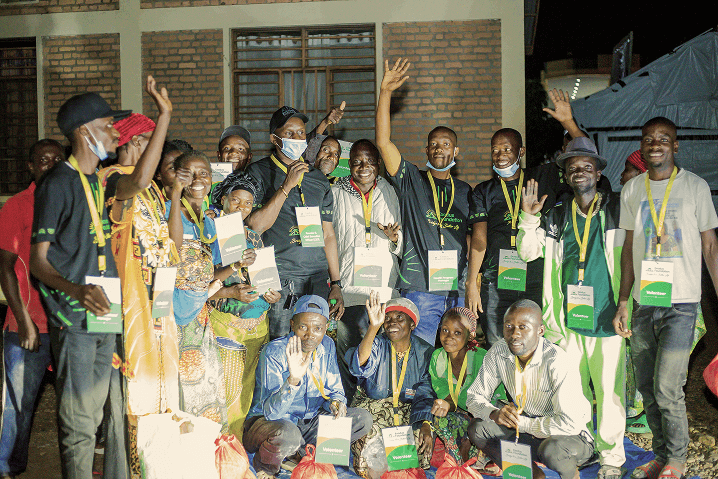
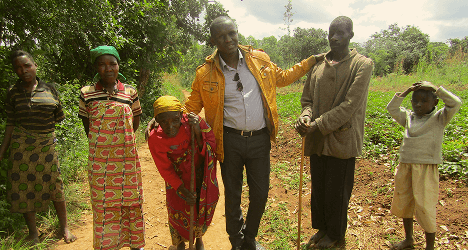
We work with hospitals, local leaders, and community networks to identify people who are most in need and to ensure assistance reaches those who would otherwise be missed.


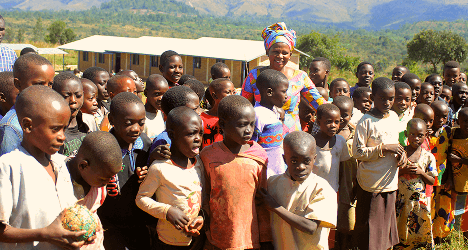
EXODUS FOUNDATION delivers practical, people-centred humanitarian action across Burundi. We combine immediate, life-saving assistance with approaches that strengthen local systems and create pathways to long-term stability. Our programs focus on health and hospital support, shelter and basic needs, children and education, protection and social inclusion, and emerging livelihoods work.
We work with hospitals, local leaders, and community networks to identify people who are most in need and to ensure assistance reaches those who would otherwise be missed.
We coordinate with public institutions — especially hospitals and prisons — and with local organizations so that our actions reinforce existing systems and avoid duplication.
Our responses are focused, timely and needs-driven: paying hospital fees that block discharge, providing emergency shelter, distributing food and hygiene essentials, and connecting people to services.
We document who we reach and what support is provided, collect feedback and stories of change, and use that learning to improve programs over time.
Support is provided solely on the basis of vulnerability and need. We strive for transparency and responsible use of resources in all our work.
We measure impact by the dignity restored, systems strengthened, and futures improved — not only by numbers. Key outcomes our work produces include:
Timely payment of hospital fees, emergency food and hygiene support, and temporary shelter that prevent deterioration and enable recovery.
Helping people leave medical detention, providing clothing and household items, and supporting reintegration of vulnerable people into family and community life.
Working with hospitals, prisons and community leaders to create referral pathways, better hygiene practices, and clearer processes so that future needs are met more effectively.
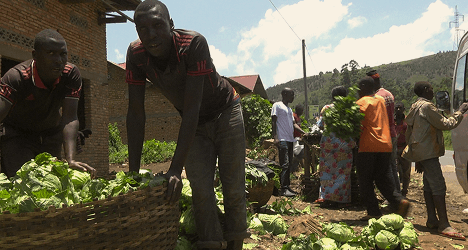
Linking emergency support to education, small livelihood initiatives, and referrals that reduce the likelihood of repeat crises.